
Someone told you that you were too much.
Maybe they said it directly. Too intense, too sensitive, too emotional, too loud, too needy, too opinionated. Too big for the space they wanted you to fit in. Maybe they never said it out loud but communicated it in the ways people do, the eye roll, the withdrawal, the way the room shifted when you walked into your full self and someone quietly decided that was uncomfortable.
And somewhere along the way, you believed them.
You started editing. Turning down the volume. Laughing less loudly. Feeling less visibly. Needing less openly. Taking up less space (in conversations, in relationships, in rooms) so that the parts of you that had been labeled as too much wouldn’t make anyone uncomfortable again.
You got smaller. And you called it growth.
But here’s what was actually happening: you weren’t too much. You were too much for them. And that is an entirely different problem, one that was never yours to solve.
What “too much” actually means
When someone tells you that you’re too much, they are giving you information. Just not the information they think they’re giving you.
They are not giving you an objective assessment of your volume, your emotions, your needs, or your personality. They are telling you that who you are exceeds what they have the capacity to hold. That your full self requires more presence, more emotional availability, more genuine engagement than they are willing or able to offer.
That is a statement about their capacity. Not your worth.
A song isn’t too loud. It’s too loud for a particular room, a particular listener, a particular moment. The song itself is exactly what it is. The mismatch is not the song’s fault. It doesn’t need to change, it needs a different audience.
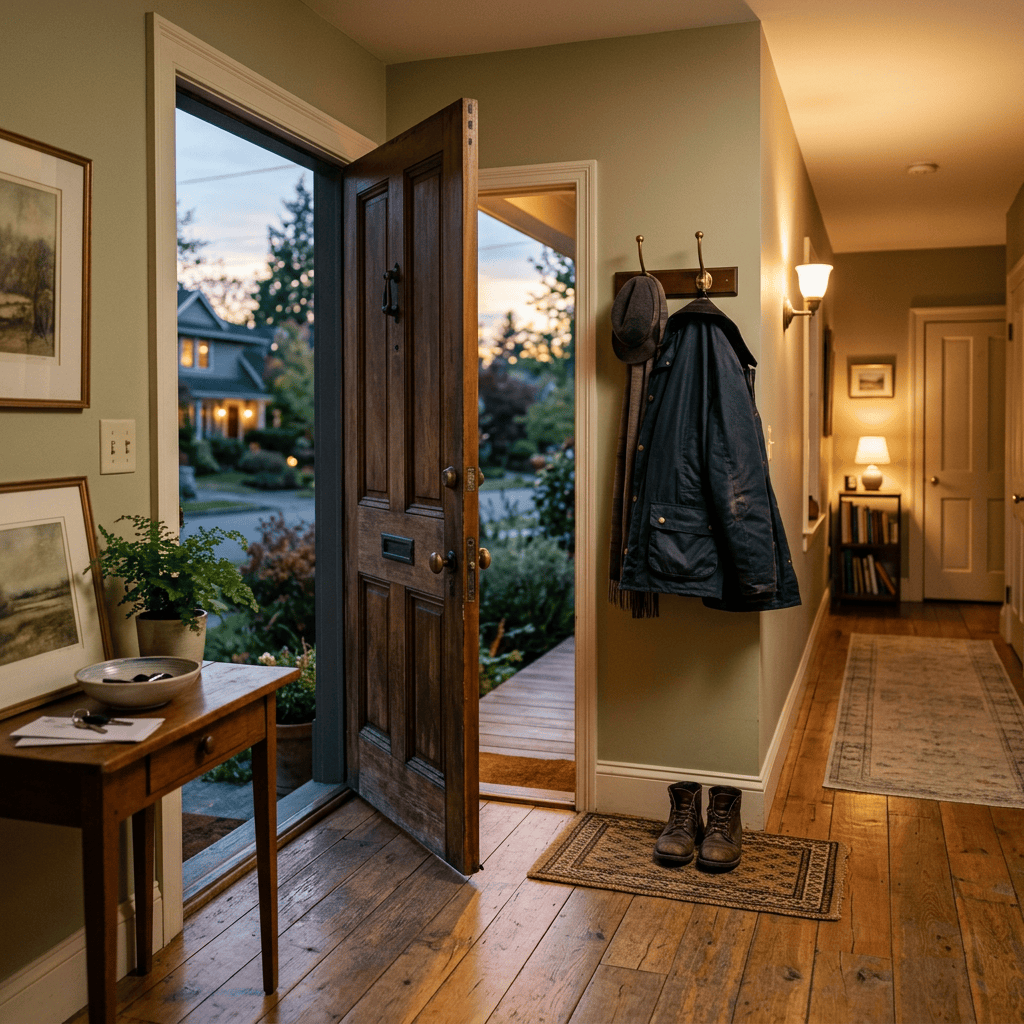
You are not too much. You have simply spent time in rooms that were too small.
The particular damage of being told you’re too much
Being told you’re too much doesn’t just sting in the moment. It installs something.
It installs the belief that your natural self (unedited, uncurated, fully present) is a problem to be managed. That your emotions are excessive, your needs are burdensome, your enthusiasm is exhausting, your depth is overwhelming. That the version of you that exists without apology is the version that drives people away.
And once that belief is in place, it changes everything. It changes how you enter rooms, already pre-apologizing for your presence. It changes how you love, always holding something back, always monitoring the volume, always checking whether you’re becoming too much again. It changes how you see yourself, not as someone with a rich inner world and a lot to give, but as someone whose natural state is an inconvenience.
The cruelest part is that the editing doesn’t work. You make yourself smaller and the loneliness doesn’t go away, it deepens. Because now you’re alone inside the performance. You’ve successfully hidden the parts of yourself that were labeled as too much, and in doing so, you’ve made it impossible for anyone to actually find you.
You kept the peace. You lost yourself. And you’re still not sure anyone really sees you.
Who decided you were too much…. and why
It’s worth asking this question honestly, because the answer matters.
The people who told you that you were too much….who were they? What was their own relationship to emotion, to need, to depth, to feeling things fully?
Often, the people who experience others as “too much” are people who experience themselves as not enough, who have shut down their own emotional world so thoroughly that someone else’s aliveness feels threatening. Someone who cannot access their own vulnerability will experience yours as excessive. Someone who has never allowed themselves to need anything will experience your needs as burdensome. Someone who has kept themselves numb will experience your feeling as overwhelming.
This doesn’t make them bad people. It makes them limited ones. Limited in their capacity to be present with the full range of human experience…. including yours.
And sometimes the people who told you that you were too much were simply people who needed you to be less so they could be more. So they could be the one who felt the most, needed the most, took up the most space. Your fullness threatened their position, and so they found a way to make your fullness the problem.
None of these are good reasons to spend your life being less than you are.
What you lost when you made yourself smaller
Think about the version of you before you started editing.
The one who felt things fully without immediately questioning whether she was feeling them too hard. Who said what she thought without pre-filtering it through everyone else’s probable reaction. Who loved without holding half of herself back as insurance. Who walked into a room and didn’t spend the first five minutes calculating how much space she was allowed to take up.
What happened to her?
She’s still there. She didn’t disappear, you just stopped letting her out. You learned to manage her, contain her, apologize for her. You built a more acceptable version of yourself over the top of her and told yourself that was maturity.
But she shows up sometimes, doesn’t she. In the moments when you forget to edit. When you laugh too loudly and then catch yourself. When you say the true thing before you can stop it and then immediately walk it back. When you feel the full weight of something and for one unguarded second don’t pretend you don’t.
That’s her. And she’s not a problem. She never was.
The relationships that can hold you
Here’s the truth that the “too much” story obscures: there are people in this world for whom you will not be too much.
People who find your intensity magnetic instead of exhausting. Who are drawn to your depth instead of overwhelmed by it. Who experience your emotions as proof that you’re fully alive rather than evidence that you’re difficult. Who have enough capacity in themselves to be present with all of you, not just the edited, pre-approved, small version.
These people exist. But you have to stop making yourself small to find them, because the small version of you attracts small spaces. You will keep finding rooms that are too small as long as you keep folding yourself to fit into them.
The right people don’t need you to be less. They need you to be exactly what you are, so they can actually find you.
And the ones who need you to be less? They were never going to be able to love the real version of you anyway. Let them go gently. They were never your people.
What it takes to stop apologizing for it
Coming back to your full self after years of making yourself smaller is not a single dramatic moment. It’s a series of quiet, uncomfortable choices to stop editing before you’ve even begun.
It’s saying the true thing and leaving it on the table without immediately taking it back. It’s feeling the feeling all the way through instead of shutting it down at the first sign of intensity. It’s letting someone see you be delighted, or devastated, or passionate, or uncertain…. without immediately managing their reaction to it.
It’s walking into a room as yourself, all of yourself, and deciding that if it’s too much for the room, the room is the problem.
It’s learning to read discomfort with your fullness as information, not about whether you should be smaller, but about whether this is the right room at all.
And it’s understanding, at the deepest level, that the capacity to feel deeply, love fully, and show up with your whole self is not a flaw that needs correcting.
It is one of the finest things about you.
The reframe
You were never too much.
You were a lot….yes. Vivid, feeling, present, real. You took up space and asked real questions and loved in ways that required the other person to show up fully. You felt things in a world that told you to feel less. You needed things in a world that told you to need less. You were human in a way that some people found inconvenient.
That is not a character flaw. That is a character.
The problem was never that you were too much. The problem was that you spent too long trying to become less…. instead of finding the people and the places and the life that could hold everything you are.
That life is still available to you. But you have to stop shrinking to find it.
Take up the space. Feel the feelings. Say the true things.
You were never too much. You were just in the wrong rooms.
The people who called you too much were not measuring you. They were revealing themselves.




Leave a Reply