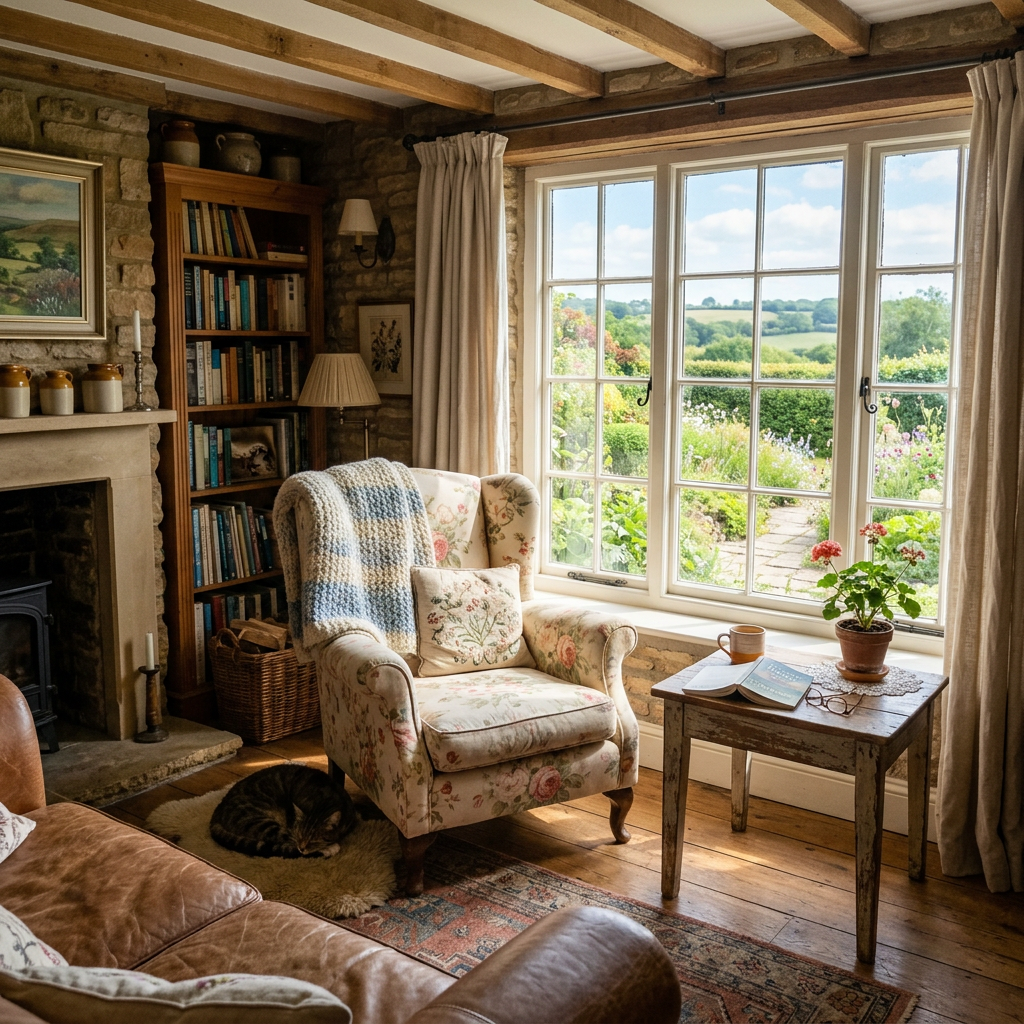
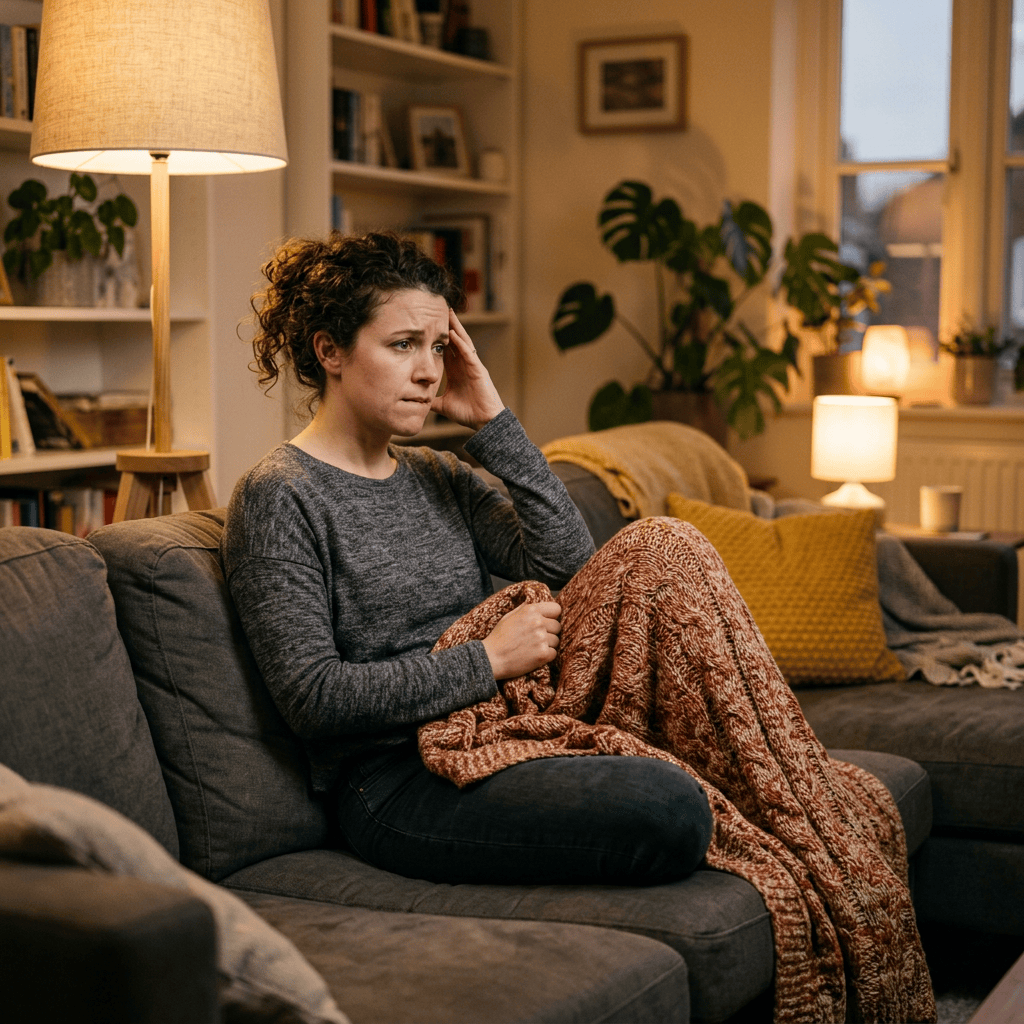
You finally have an unscheduled afternoon, and instead of feeling relieved, you feel restless. Some part of you starts scanning for what you should be doing with it, a task to knock out, an errand to run, a goal to make progress on. Sitting still, doing nothing productive, starts to feel less like rest and more like a quiet failure you’re getting away with.
If an empty hour makes you anxious instead of grateful, you’ve absorbed something worth examining: the belief that your time only counts if it’s being spent on output. Slow living pushes directly against that belief, and it’s worth understanding why that pushback isn’t laziness. It’s resistance.
The Reframe: Slowing Down Isn’t the Absence of Ambition, It’s a Different Relationship to It
The common assumption is that slow living is for people who’ve given up, who’ve decided output doesn’t matter anymore, or who can afford to coast. That assumption misses what’s actually happening. Choosing to move slower, on purpose, in a culture built entirely around constant acceleration, isn’t giving up. It’s a deliberate act of refusal.
Here’s the reframe worth sitting with: slow living isn’t the opposite of ambition. It’s a rejection of the idea that ambition has to come at the cost of your nervous system.
Hustle culture sold a specific equation for a long time: more hours, more hustle, more visible busyness equals more worth. Slow living challenges that equation directly, not by abandoning growth or goals, but by refusing to accept exhaustion as proof you’re doing enough. That refusal takes more intention, not less, than simply going along with the pace everyone else has agreed to.
Why This Feels So Uncomfortable to Practice
For a lot of people, busyness became load-bearing long before it became a choice. If you grew up in an environment where being productive, being helpful, or being constantly in motion is what earned approval, stillness can start to feel dangerous, not physically, but socially. An idle afternoon doesn’t just feel unfamiliar. It can feel like you’re at risk of being seen as lazy, unmotivated, or somehow less deserving of the good things in your life.
There’s also a subtler trap: busyness can function as a very effective distraction. A full schedule leaves little room for the harder questions, am I actually enjoying this life, is this pace sustainable, what am I avoiding by staying this occupied. Slowing down removes that distraction, and what surfaces in the space it leaves behind isn’t always comfortable. That discomfort is often exactly why so many people speed back up the moment things get quiet.
None of this means you’re addicted to busyness or incapable of rest. It means you learned, reasonably, in a culture that rewards visible output, that slowing down carries a cost, and unlearning that takes practice, not just permission.
What Constant Acceleration Actually Costs You
It erodes your ability to tell the difference between urgent and habitual. When everything moves fast all the time, you lose the calibration to know what actually needs immediate attention versus what just feels urgent because you’re used to treating everything that way.
It quietly disconnects you from your own preferences. Moving at a hustle pace rarely leaves room to notice what you actually want, you’re too busy responding to what’s next to ask whether the next thing is even the right thing.
It makes rest something you have to earn instead of something you’re entitled to. Under a productivity-first framework, rest becomes conditional, you get to relax once the list is done, once you’ve proven you deserve it. That list, of course, never actually ends.
What Practicing Slow Living Actually Looks Like
1. Protect one unscheduled block, and let it stay unscheduled. Pick a window (an evening, a Saturday morning) and resist the urge to fill it with a “productive” alternative to work. The goal isn’t to fill the space with a better kind of doing. It’s to practice tolerating open space at all.
2. Notice the urge to justify your rest, and don’t act on it. If you catch yourself explaining why you deserve to relax (I worked hard this week, I earned this) notice that reflex without needing to indulge it every time. Rest doesn’t require a receipt of prior effort to be valid.
3. Choose one thing to do slowly on purpose. Eat a meal without a screen. Take a walk without a podcast. Have a conversation without checking the time. These aren’t grand gestures, they’re small, repeatable practice reps in a different pace, small enough to actually sustain.
4. Let a slower pace apply to your goals, not just your leisure. Slow living isn’t only about downtime, it’s also about how you pursue what matters to you. Progress made at a sustainable pace, with room to notice how you’re actually doing along the way, tends to hold up better than progress extracted through constant urgency.
5. Expect the discomfort, and stay anyway. The first several times you slow down, it may feel wrong…. antsy, guilty, unproductive. That discomfort isn’t a sign you’re doing it incorrectly. It’s the exact resistance this practice is meant to work against, and it tends to soften the more you give it room to exist without immediately fixing it.
The Question Worth Asking Yourself
Not “am I doing enough”…. that question, asked from inside hustle culture, rarely has a satisfying answer, because the goalpost keeps moving.
The more useful question is: What would my days look like if rest wasn’t something I had to earn first?
Slowing down on purpose, in a culture built for speed, isn’t a lesser version of ambition. It’s a quieter, steadier kind, one that trusts you don’t have to burn yourself down to prove you’re building something worthwhile.
Rest isn’t the reward at the end of enough hustle. It’s allowed to just be part of the life you’re building, starting now, not once you’ve earned it.


Leave a Reply