Learning the Difference Between Who Needs Your Support and Who Is Living Off It
You are a good person.
You feel things deeply. When someone you care about is hurting, you hurt with them. When someone comes to you with a problem, you show up. You listen, you give, you pour yourself out, because that’s just who you are. Your empathy is one of the most beautiful things about you.
But somewhere along the way, someone figured that out about you. And they decided to use it.
Today we need to have an honest conversation, not about being less caring, but about being smarter with your care. Because there is a difference between empathy and sympathy, and more importantly, there is a difference between someone who genuinely needs your support and someone who has simply gotten comfortable living off of it.
Empathy vs. Sympathy…. They Are Not the Same Thing
These two words get used interchangeably all the time, but they are not the same, and the distinction matters more than most people realize.
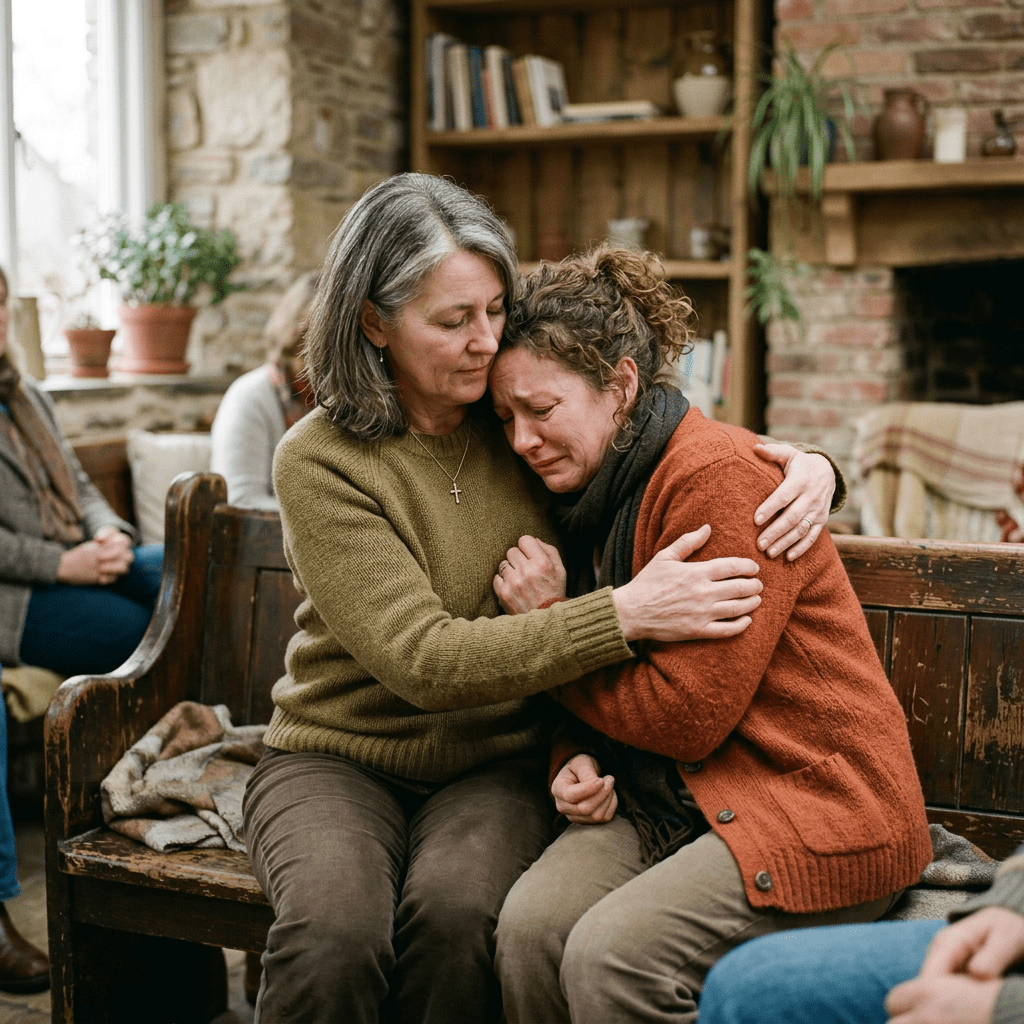
Empathy is when you step into someone’s world and feel with them. It’s connection. It says “I see you, I understand what you’re going through, and I’m here.” Empathy meets people in their pain without judgment, and it’s one of the most powerful forces for healing that exists.
Sympathy is different. Sympathy looks at someone’s situation from the outside and feels for them, often from a place of pity. It says “Oh, you poor thing.” And while sympathy isn’t always bad, it creates a very different dynamic. Sympathy can keep people stuck. It validates the struggle without ever challenging the person to rise above it.
Here’s the hard truth: when you offer sympathy to someone who isn’t trying to help themselves, you aren’t helping them. You are helping them stay exactly where they are.
The Person Who Won’t Get Out of Their Own Way
Now let’s talk about the person I’m really talking about today, and you already know who they are in your life.
This is not about someone grieving a loss. This is not about someone fighting a diagnosis or navigating a genuine crisis. Those people deserve every ounce of your compassion, and then some.
I’m talking about the person who has been “going through it” for years, and somehow nothing ever changes. Every conversation is about their problems. Every week there’s a new crisis. Every time life offers them a way forward, they find a reason it won’t work. They are not in a season of struggle. Struggle has become their identity.
And every time you show up with your big, generous heart, every time you say “Oh no, I’m so sorry, that’s so unfair, what can I do?”, you are handing them exactly what they came for.
Your sympathy has become their comfort zone.
Why Your Sympathy Can Actually Do Harm
This is the part that’s hard to hear, especially if you’re a naturally giving person: your sympathy, offered to the wrong person, can be one of the most enabling things in their life.
When someone is making choices (consciously or not) that keep them stuck, and you consistently respond with pity and rescue, you are removing the very discomfort that might motivate them to change. You are softening consequences that were meant to teach them something. You are making it easier to stay than to grow.
Real support sometimes looks like a gentle but firm refusal to co-sign someone’s victim story. It looks like saying “I hear you, and I also know you’re stronger than this.” It looks like holding a higher vision for someone even when they’ve stopped holding it for themselves.
That is empathy. What you’ve been giving might be sympathy dressed up as kindness, and it’s time to know the difference.
Protecting Yourself Without Losing Yourself
Here’s what nobody teaches kind, timid, go-with-the-flow people: boundaries are not walls. They are not cruelty. They are not a sign that you’ve stopped caring.
Boundaries are how you make sure you still have something left to give.
If you have been the person everyone calls when they need something, the one who always picks up, always shows up, always gives more than you have, this is your moment to ask yourself some honest questions:
- Does this person ever ask how I’m doing?
- When I’ve needed support, were they there?
- Has anything in their situation changed despite all the help I’ve given?
- Do I leave our conversations feeling drained, or do I feel like I actually helped?
- Am I giving out of genuine love, or out of guilt and obligation?
Your answers will tell you everything you need to know.
How to Tell Who Is Grateful and Who Is Taking
This is the part you’ve been waiting for, because you already sense the difference, you just needed permission to trust it.
Grateful people:
- Acknowledge what you do for them
- Show effort, even when progress is slow
- Receive your honesty without punishing you for it
- Want to grow, not just to be comforted
- Check on you too….. your relationship flows both ways
People who are taking from you:
- Only reach out when they need something
- Tell the same stories without ever taking any advice
- React to honest feedback with guilt trips or withdrawal
- Measure your love by how much you give, not by who you are
- Leave you feeling empty every single time
You are not responsible for carrying people who have decided not to walk.
Empathy With Boundaries Is Still Empathy
I want to be clear: becoming more discerning with your compassion does not make you cold. It does not make you selfish. It does not mean you stop caring about people.
It means you’ve matured in your caring.
You can love someone and refuse to enable them. You can have compassion for someone’s pain and still hold them accountable for their choices. You can be the warmest, most generous person in the room and still say “I can’t keep showing up for you in this way” ……. and mean both things at the same time.
In fact, that combination (empathy with boundaries) is the most powerful kind of support you can offer anyone. Because it treats them like a capable adult. It says “I believe in you enough to stop rescuing you.”
That is not withdrawal. That is the highest form of care.
A Word to the Kind and the Timid
If you are someone who struggles to say no, who hates conflict, who would rather give too much than risk someone being upset with you, this message is specifically for you.
Your kindness is not a weakness. But it can become one if you don’t learn to protect it.
You are allowed to be selective. You are allowed to step back from relationships that only flow in one direction. You are allowed to save some of your energy for yourself, for your own healing, your own dreams, your own peace.
The people who are truly grateful for you will understand. And the ones who don’t? That reaction will tell you exactly what you needed to know.
Know the Difference. Trust What You Feel.
You already know. You’ve known for a while.
You know the difference between the friend who is going through something real and fighting like hell to get through it, and the one who has been “going through something” for five years without taking a single step forward.
You know the difference between giving from love and giving from exhaustion.
You know the difference between someone who sees you and someone who only sees what you can do for them.
Trust that knowing. Honor it. And give your beautiful, generous heart to the people who actually deserve it.
Have you ever had to pull back your empathy to protect your peace? I’d love to hear your story in the comments below.





Leave a Reply